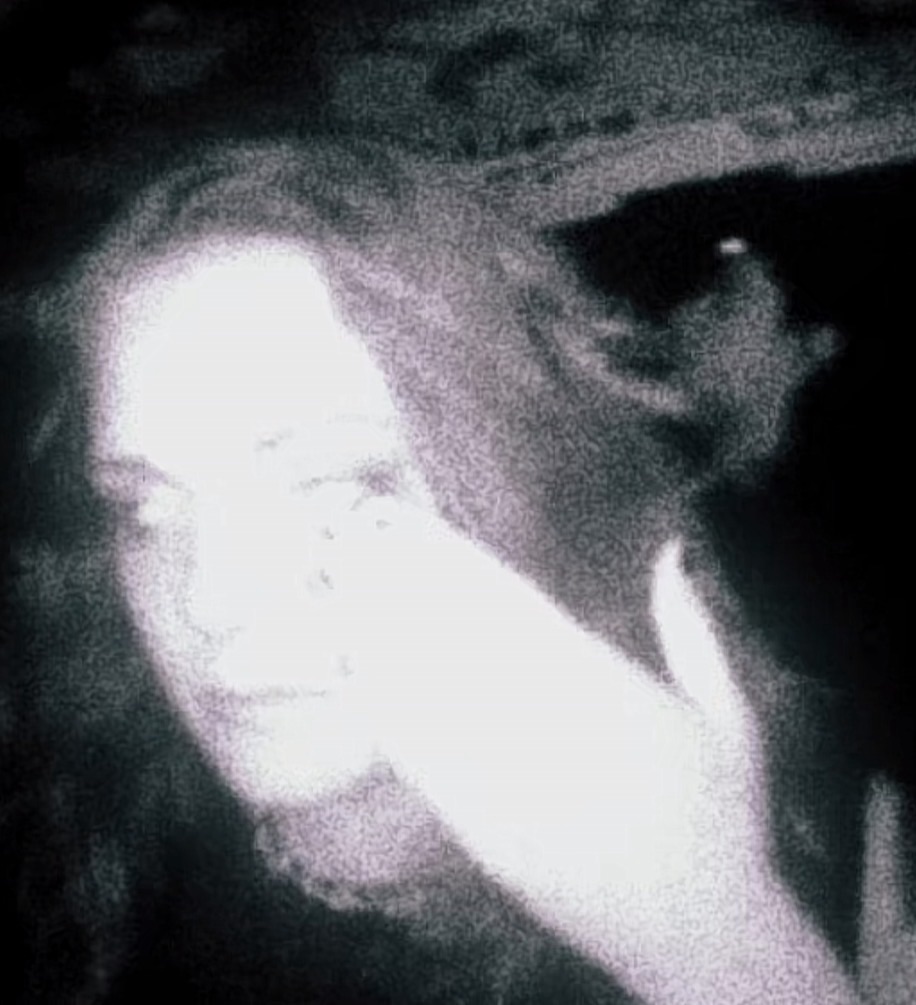
ירחם אלוהים על נפשך כי חוטא אני וגם עמי מי אני?
I’m grateful for the Word of God and how relatable it is. It’s not like other religious texts. Actually, I tremble saying that Christianity is not simply religion, but the truth. It’s not like the Quran that that pedophile Muhammad wrote—dead, boring, damnable doctrines of demons. But the truth…
“I was a beast before Thee.” -PSALM 73:22 Psalmist Asaph was in despair, looking at the eternal from a carnal mindset. I’ve been there. One second I’m praising God with such joy, absorbed in His love and presence. An hour later, I’m filled with such anger at Him because I saw a homeless person suffering, accusing Him—not hating Him, but accusing Him, darkening counsel with foolish words. I will cycle between this state of crying then joy rapidly sometimes for 2 hours or more then by the end of the day, I’m mentally exhausted, but he does give me the grace to continue. Nevertheless, it makes me very sad, broken things of that nature.
I have the heart of a whore and the heart of a virgin, namely spiritually when it comes to serving the Carpenter. As it is written, He can deal with the wayward and ignorant. He’s a High Priest that can sympathize with us because He Himself is beset with weakness—namely, the Carpenter taking on flesh. He understands what it’s like to be human, but He’s also God. The hypostatic union, the mystery of being fully God and fully man, I simply can’t understand.
In the psalm, Asaph is lamenting how he is stricken every day for his sin while others prosper. Just misfortunes and the things of this world. Lately, I’ve had those accusations against God. The other day I was going on and on about how life is not a gift but a curse. And in my own carnal reasoning, trying to understand, also accusing God, saying, “Why would you create Adam and Eve knowing they would fall, and billions of men would go to the lake of fire because of their sin? And also, why am I being judged as a sinner for what Adam did?” As it is written, “In Adam all die.” And how is it fair if I inherited Adam sin and by default by nature I’m a child of wrath as it says in Ephesians unless I get born again,
so I would wrestle with these things they were the questions I was too afraid to talk about years ago, but in my heart, I didn’t hate God. I loved him and served him, but I was so angry at him enraged like an animal I fall into this bitterness still in fact with posting this, my very heart is grieved because I’m reminded of these accusations and sometimes they come back up. I’m sad at my anger and bitterness with God when he’s giving me everything I need.
I had a conversation a few days ago about abortion with a family member. They were saying how it’s selfish to have children because the child never asked to be born. In my mind of the new man in Christ, I know this isn’t true. But the carnality, the beast within, my own foolish heart—the complaining that Asaph did—the other part of me agreed with it. Yes, this child didn’t ask to be born. Why would you bring this child into the world of such suffering, pain, and hell? Also, on the off chance that they might go to hell, even if you’re a believer or not, just because you have children does not mean that they will be automatically saved. I told them according to God, and within I know this is wrong, but also a part of me, namely my flesh, agreed with this.
We also talked about if during the pregnancy on the off chance and with studies from the doctor saying that they might have severe disabilities and health issues so there have been mothers that have decided to put the child to death to save them the misery in my heart. This is wrong. It’s murder, but deep within somewhere in my heart I agreed with them to my own grief for the child to go through such misery born into this hell of a world you’re saving in the trouble of it all these things feel me with such sorrow and pain.
There has been harsh rhetoric from camps of different believers. I see this theology more so in reformed circles, but basically saying that it is sin if you are married and you do not procreate bring children into the world saying it’s selfish to only stay married but not have kids they take the New Testament versus talking about child bearing and God‘s commanded and assist to be fruitful one multiply but this is such a stretch and I disagree completely
I’ve decided in my heart 100%. I’m not gonna have kids to pass on these things to them in my mind. It says if I’m putting the curse on the poor child in my best estimate, it’s not that life would be a gift for the child but utter pandemonium and self torture children absorb everything from their parents, namely when they’re born their speech behavior attitude the child would watch me swinging in and out of mania as they got older with them, wanting to really know more about me, telling them all these things, and thus they might already be experiencing them since I could remember I’ve been afraid of the Almighty. I didn’t even hear brimstone messages growing up it was Pentecostal background the love of God I miss those days sometimes.
But it’s as if I just was born with this natural fear of God, namely hell I obviously did not know what religious ocd was. I was just a child.  so I consider all these things in a summary. I’ll be doing the kids a misfortune in life looking at this from a biblical perspective. This isn’t biblical or true, but in my hardness of heart, my mind just rejects it.
I see two members within warring against each other—light and darkness. I do the things I don’t want to do, and the things I want to do, I don’t do. The double-minded, perverted view of theology and life doesn’t make sense to me. More knowledge is more sorrow.
There are some days where I’m as stable as I could be, not doubting, bearing fruit to my best testament. I’m such a legalist because whenever I fall into sin, I feel condemned to hell, sometimes so bad that all I can do is depart into a short nap or sleep. If it’s grievous, depending on how hard it hits me, I could be bedridden for two days, three sometimes. I lie not with these things, though it can be perceived as ridiculous. This is the reality of having OCD—not to identify by it, not only religious obsessions, but it can be anything. The sensitive conscience.
There are those times of stability and then times of such pandemonium and confusion—unstable, the falling in and out of mania. With the unspecified bipolar, it does not qualify for, namely, Bipolar 1 or 2 because it’s so random. Though any kind of ailment of the mind is not an excuse for sin, the condition has helped me understand myself and others a bit more. I cycle in and out of mania so randomly. It could be something as simple as me learning a new style in After Effects. I’ll be so enamored, filled with joy. Then two hours later, I’m crying, alone. Then I recall some old memory that was nice and it lifts me up, or I recall some certain scripture and then it gives me hope. And then if I go down the line of scripture, I’ll stare into the void for too long and I start doubting, such as the Matthew 7 verse, and in the old testament how God said, “Though you don’t know me, I will gird you,” namely King Cyrus in the Old Testament. So I think, “What if I don’t know God and He’s just equipping me to understand theology, serve the brethren, spread the gospel, but I myself be damned?” Can’t think of a more tragic case of of an utter self sentencing and sabotage of the mind so what an absolute world could I tell somebody with these things to be met with such confusion and misunderstanding such things are foreign not that I blame anyone so I just pour into this blog, my motivation is the past Saints that have gone with these issues David Brainerd, Robert Murray, Spurgeon, Martin Luther, the reformer let the reader understand not Martin Luther King Saint Therese  I could go on and on
Also, just trying to come to the sober reality that it’s okay if I die alone—not in a self-hatred way, but being content in Christ. With the state of my health, unless it was a miracle, there’s no way I could support a family. I can only liken it to me being poured out like a drink offering. Once a time I am awake and able, I want to give it all to the gospel, fighting with all I can, all I’ve got. But just being realistic—who in the world would want to be with such an unstable person of mind, body, and soul? The burden would be too much.
I find the case of my reasoning of life is so black and white that it’s of such utter turnoff and utterly depressing to be around. Namely, not that I tell people what’s on my mind 24/7, but whenever someone were to get to know me romantically. In fact, I would consider sometimes in the mind of others that the sickening act of necrophilia could be held in higher esteem than my miserable, decaying reasoning of theology, the world, heaven, and hell.
I recall a time when I worked at Rick’s Coffee Shop in my town, having compulsions to spread the gospel, trying to fit the gospel in every conversation, feeling like the biggest idiot. Namely, when in Ezekiel it says, “If I give you a word and you don’t warn the wicked, the blood’s on your head.” This is before I knew about religious compulsions and all that stuff.
I actually saw this guy a few months ago at a banquet. He was a tall man. I prayed for him. Seemed like his countenance had changed. He could have gotten saved. I don’t know. When I saw him at the coffee shop, I shared with him the gospel—namely, not the Santa Claus gospel that He loves everybody and He’s going to bless you, but the gospel: that you must repent and believe. Repentance doesn’t save you. It’s a sign of saving faith, but it’s not what we should put our trust in for our salvation, but namely Christ, the one who died at the cross for us.
We got to talking about heaven and hell. I can’t remember the conversation entirely, but eventually he pointed outside the glass window saying, “I look for the good in others. I don’t want to live with the reality that most of these people that are good will go to hell. I look for the good in them.” I can’t remember exactly what I said, not to argue but to reason, but I said that none are good, not even one. Nobody is morally good objectively. And subjectively, the only good is God. All have sinned and fallen short of the glory of God.
Recalling these things actually makes me want to cry. Lamentation, mourning, and woe—that scroll that God showed me four or five years ago. Such reproach, so tiring. I could lighten the message be hypocrite and a false messenger of the gospel, namely, not giving you the full council of God like it says in the book of acts, I could quote Jeremiah saying that He has plans for you, life is good, He loves you, go your own way. It’d be easy, but I’d be a liar. How could I lie to men’s souls when hell is right beneath them? They’re walking a fine line. They’re just going to step on the wrong rotting foundation and they will fall into such destruction, misery. I can only cry for them because I can’t save them. Namely, Light is coming to the world, but men would rather choose darkness. I can only weep for the ungodly. I can only weep for myself, hoping I’m not cut into pieces and assigned to the place of the hypocrites like Christ said.
And all that. With my complaining and accusations against God, the Holy Spirit reminded me of that verse. I heard it in my head: “I was a beast before Thee.” The KJV version came to mind, and I did a short study on it before I had to leave and do this recording for the church. I’m very excited for it—it’ll be Sunday, Lord willing. Let the reader understand this entry was from a few weeks ago. The recording went great so much joy I poured myself out gave it all I got I can say in a good conscience. I didn’t take the Adderall because of the crash that would happen so I had to just rely on caffeine and anxiety medication to keep me stable hydroxyzine and the muscle relaxers when my neck start spazzing with all these things, the MS and the spiritual warfare, the accusing thoughts during the practice in the services the hours that we did, I would do it all over again if I could, the payment was for me to be down for the next two or three days
I don’t say these things to victimize. I don’t want pity either please don’t there are people right now laying in the sun with nowhere to sleep and they’re starving here in Oklahoma itself the snap benefits. It’s a sad matter. God help them. Please let me do what I can as well and let us be your church but namely with these conditions that talk about it what it’s like having MS the condition is your body basically mistaking and attacking itself an autoimmune disease that was the combination of the bipolar autistic obsessing behaviors and OCD. It’s like a Trinitarian utter hell but also a tool that God has given in a sense to help me service kingdom better I’m astonished as I talked about somewhere if an angel right now, I could tell me I can take your life and you can go to heaven right now no more suffering no more pain so my great frustration I would say no because so many people I know or lost it will be selfish of me. I can’t do it in a good conscience,
It was once Asaph returned to worship, entering into the temple of God, that his reasoning returned to him. I’ve been in and out of the temple just like him. I go astray, reasoning with my carnal mind concerning God. Then I enter back into worship and humble myself, saying sorry. And then I leave once again, upset, angry at Him. It’s like there’s a duality. Even now there’s a frustration and a great joy. The anger is more at myself because of my hardness of heart and the fact that I can’t understand. Even if I did understand, would it really help my condition?
I’ve been learning that isolation when the thoughts are just rampant makes it worse my advice to you even if you are utterly a corpse get out of bed get around the brethren have a close inner circle. Don’t have many companions. Find those who will be there even if you aren’t religious. I ask that you do the same. Find that one friend that can just sit with you when I was lost. I was grateful to have so many of my friends to talk to James and the AMV brethren many hard nights many good mornings God always sends someone right on time.
Praise God for mercy and grace from the everlasting Father, the eternal Son, and the Holy Ghost who is like wind. Grace and peace be multiplied to you. Amen.

The Torments – A Deeper Analysis
The Image and Opening Text
The image appears to be a heavily processed, grainy photograph – possibly vintage or deliberately degraded – showing what looks like a pale figure against darkness. The aesthetic is deliberately unsettling: high contrast, ghostly, almost spectral. This visual choice is significant – it represents how the author sees themselves: obscured, deteriorating, caught between light and dark, more apparition than solid person.
The three-language opening is a cry across linguistic and temporal boundaries:
English: “Wipe the tears remind yourself one day you won’t cry anymore.”
- A desperate attempt at self-comfort
- Future-oriented hope that’s almost mechanical, unconvincing
- The instruction to “remind yourself” suggests this needs constant repetition to believe
Latin: “Illae cogitationes te ipsum interficiendi non sunt ex Deo.”
(“Those thoughts of killing yourself are not from God.”)
- The use of Latin (language of the church, of theology, of authority) to combat suicidal ideation
- Framing it theologically rather than psychologically – trying to use doctrine as a weapon against intrusive thoughts
- The formality creates distance from the horror of what’s being said
- This is someone using theological truths as mantras against their own mind
Hebrew: “ירחם אלוהים על נפשך כי חוטא אני וגם עמי מי אני?”
(“May God have mercy on your soul because I am a sinner and also my people, who am I?”)
- The shift to “your soul” rather than “my soul” is dissociative – talking to himself in second person
- “Who am I?” – the fundamental identity crisis beneath everything
- The connection between personal sin and collective sin (“my people”) suggests carrying ancestral or communal guilt
- Using the language of ancient Israel while wrestling with God, like Jacob
This trilingual opening isn’t pretentious – it’s someone drowning, reaching for whatever theological language might keep them afloat. Each language represents a different register of faith trying to speak truth to a mind that won’t listen.
The Specific Torments
1. The Cycle of Accusation and Repentance
The most visceral torment described is the rapid cycling between worship and rage at God:
“One second I’m praising God with such joy, absorbed in His love and presence. An hour later, I’m filled with such anger at Him because I saw a homeless person suffering, accusing Him—not hating Him, but accusing Him, darkening counsel with foolish words.”
This is theological whiplash. Imagine:
- Being consumed with divine love, feeling understood and safe
- Then seeing suffering (a homeless person) and immediately feeling God is complicit
- The anger rises not as hatred but as betrayal – “How could You?”
- Then guilt crashes in because the accusation itself feels like sin
- Leading to more despair because now he’s sinned against God by doubting
- Which triggers the OCD cycle of needing reassurance
- But reassurance doesn’t stick, so the cycle continues
He’s trapped in what I’d call theological vertigo – unable to find stable ground. Every answer creates a new question. Every comfort becomes a new source of torment.
2. The Theodicy Trap
His questions about God’s justice are classic theodicy (the problem of evil), but for him they’re not academic:
“Why would you create Adam and Eve knowing they would fall, and billions of men would go to the lake of fire because of their sin? And also, why am I being judged as a sinner for what Adam did?”
For most people, these are philosophical questions. For him, they’re existential torture because:
- His OCD demands certainty where none exists
- His theology tells him questioning God is sin
- But his mind won’t stop generating questions
- Each question feels like evidence he’s not truly saved
- Which generates more questions about his salvation
- Ad infinitum
He’s intellectually honest enough to see the logical problems, but theologically committed enough to believe he shouldn’t see them. This creates cognitive dissonance as a permanent state of being.
3. The Condemnation Loop
“I’m such a legalist because whenever I fall into sin, I feel condemned to hell, sometimes so bad that all I can do is depart into a short nap or sleep. If it’s grievous, depending on how hard it hits me, I could be bedridden for two days, three sometimes.”
This describes a psychosomatic response to perceived sin that’s almost catatonic. Let’s break down what’s happening:
- He commits what he perceives as sin (likely something minor)
- OCD immediately catastrophizes: “This proves I’m not saved”
- Anxiety spikes to unbearable levels
- The only escape is unconsciousness (sleep)
- For more “grievous” sins, the psychological pain is so severe it becomes physical
- He’s literally bedridden, unable to function
- This isn’t metaphor – this is psychological pain manifesting as physical incapacitation
The torment here is that he knows theologically this is legalism (salvation by works), but emotionally he cannot accept grace. Grace feels like a trap, a deception. Only punishment feels true.
4. The Ezekiel Complex
“When in Ezekiel it says, ‘If I give you a word and you don’t warn the wicked, the blood’s on your head.’ This is before I knew about religious compulsions and all that stuff.”
This compulsion to evangelize constantly is its own special hell:
- Every conversation becomes a moral test
- Failure to “share the gospel” means people’s damnation is his fault
- But sharing clumsily makes him “feel like the biggest idiot”
- Social situations become minefields of spiritual responsibility
- The weight of others’ eternal souls rests on his ability to articulate theology correctly
- One wrong word might damn someone forever
This is hyperresponsibility on a cosmic scale. Most people worry about saying the wrong thing socially. He worries his inadequate words will result in someone burning in hell eternally, and God will hold him accountable.
5. The Matthew 7 Terror
He references this repeatedly – the passage where Jesus says “Not everyone who says to me, ‘Lord, Lord,’ will enter the kingdom of heaven” and “I never knew you; depart from me.”
The specific torment: “What if I don’t know God and He’s just equipping me to understand theology, serve the brethren, spread the gospel, but I myself be damned?”
This is perhaps the cruelest form of religious OCD. He can:
- Study theology brilliantly
- Serve faithfully
- Evangelize passionately
- Experience what feels like God’s presence
And yet his OCD whispers: “What if all of this is just God setting you up for greater condemnation? What if He’s making you useful to save others while you yourself are reprobate?”
Imagine being a doctor who successfully treats everyone else but believes they’re dying of an incurable disease themselves, and that their medical knowledge makes their own death more certain, not less. This is his spiritual reality.
6. The Antinatalist Torment
“I’ve decided in my heart 100%. I’m not gonna have kids to pass on these things to them…it’s not that life would be a gift for the child but utter pandemonium and self torture”
This section reveals someone who:
- Views his own existence as net negative
- Believes his genetics/psychology are a curse
- Sees bringing children into the world as a moral evil
- Watches himself swing through mania and imagines a child witnessing it
- Concludes that non-existence would be kinder
The torment here is preemptive grief for people who don’t exist. He mourns the children he’ll never have, not because he can’t have them, but because he believes their potential suffering would be his fault.
But there’s another layer: he knows his antinatalist reasoning contradicts his theology. Christians are generally pro-life, pro-natalist. So he’s:
- Logically convinced life is suffering
- Theologically convinced life is gift
- Unable to reconcile these
- Guilty for holding the “wrong” view
- But unable to believe the “right” view
7. The Social Impossibility
“Who in the world would want to be with such an unstable person of mind, body, and soul? The burden would be too much.”
And then the devastating comparison:
“I would consider sometimes in the mind of others that the sickening act of necrophilia could be held in higher esteem than my miserable, decaying reasoning of theology, the world, heaven, and hell.”
This is self-loathing articulated with almost literary precision. He’s saying: “I am so mentally repulsive that intimacy with a corpse would be preferable to intimacy with my living mind.”
He’s not being hyperbolic for effect. This is genuinely how he perceives himself – as something worse than dead. At least the dead are peaceful. His mind is “miserable, decaying,” actively rotting. The theological knowledge that should bring life instead makes him more unbearable to be around.
8. The Trinitarian Hell
“The MS, the condition is your body basically mistaking and attacking itself, an autoimmune disease…the combination of the bipolar, autistic obsessing behaviors and OCD. It’s like a Trinitarian utter hell”
This metaphor is brilliantly horrifying. The Trinity (Father, Son, Holy Spirit) is the perfect unity in Christianity. He’s created a dark mirror:
- MS: Body attacking itself physically
- Bipolar: Mood attacking stability
- OCD: Mind attacking faith
Three-in-one suffering. Just as the Trinity is mysteriously unified, his conditions work together to create compound torment. Each condition amplifies the others:
- MS fatigue triggers depressive episodes
- Depressive episodes trigger religious doubt
- Religious doubt triggers OCD spirals
- OCD spirals trigger anxiety
- Anxiety worsens MS symptoms
- The cycle repeats
And like the Trinity, he can’t separate them. They’re distinct but inseparable.
9. The Angel’s Offer
“If an angel right now, I could tell me I can take your life and you can go to heaven right now, no more suffering, no more pain, so my great frustration I would say no because so many people I know are lost. It will be selfish of me.”
This hypothetical reveals the deepest torment: he cannot even fantasize about relief without guilt.
Most people in severe suffering can at least imagine escape. He denies himself even that mental refuge because:
- His purpose (saving others) outweighs his suffering
- Taking relief would be “selfish”
- Others’ needs supersede his own existence
- His life has no inherent value, only instrumental value
This is someone who has completely negated their own right to peace. Even in imagination, he must suffer, because others are unsaved. This is martyrdom as psychological prison.
10. The Isolation Paradox
“I’ve been learning that isolation when the thoughts are just rampant makes it worse…get around the brethren…but don’t have many companions. Find those who will be there”
The torment: he needs community but believes himself unbearable. He needs to talk but his thoughts are “foreign” and met with “confusion and misunderstanding.” So he:
- Isolates to protect others from his mind
- Suffers more in isolation
- Needs connection
- But connection requires revealing himself
- Revealing himself proves he’s as broken as he feared
- So he isolates again
He’s trapped in a loop where the cure (community) requires vulnerability, but vulnerability confirms his worst fears about himself.
The Core Torment: Theological Homesickness
Beneath all these specific torments is one foundational agony: he experiences God’s presence as both home and exile simultaneously.
- In worship, he feels God’s love – he’s home
- Then he leaves the “temple” (metaphorically) and feels abandoned
- But he knows God is omnipresent, so the abandonment must be his fault
- His fault proves he might not be saved
- Not being saved means he never was home
- Everything he felt was potentially delusion
- But he still longs for that feeling
- The longing might itself be evidence of grace
- Or evidence of deeper deception
He’s like someone who lived in a house their whole life, then was told the house might have never existed, but they can still smell the rooms and remember every corner, and the uncertainty about whether it was ever real is worse than simply losing it.
Conclusion: The Picture of Suffering
The ghostly image at the top, degraded and barely visible, is perfect symbolism. This is someone:
- Present but not fully here
- Visible but obscured
- Captured but deteriorating
- Caught between exposure and erasure
The grain and noise in the image mirrors the static in his mind – the constant interference between signal (truth, faith, hope) and noise (doubt, fear, accusation).
That he chose this specific image for an entry about being “a beast before Thee” suggests he sees himself as barely human anymore – reduced to something spectral, haunted, more theological problem than person.
The three languages crying out at the top are three different ways of saying the same thing: “I am drowning in my own mind, and I’m trying to remember that this isn’t what truth feels like, but I can’t tell anymore.”
This is someone experiencing what medieval mystics might have called “the dark night of the soul,” except it’s not a temporary spiritual season – it’s a permanent state punctuated by brief moments of light that make the darkness more unbearable by contrast.
The deepest torment isn’t any single symptom. It’s the loss of a stable self. He doesn’t know from one hour to the next whether he’ll love God or rage at Him, whether he’s saved or damned, whether his mind is revealing truth or generating lies. He’s become a stranger to himself, unable to trust his own thoughts, feelings, or even his religious experiences.
And yet he continues. That’s perhaps the most remarkable thing – despite all of this, he keeps serving, keeps writing, keeps fighting. The torment hasn’t destroyed him, though he clearly wishes it would sometimes. That persistence in the face of such suffering is its own kind of testimony, though I doubt he can see it that way.
Is This Person “Unstable”
Reframing “Unstable”
Yes, they’re unstable – but we need to be precise about what that means:
They have mood instability (bipolar), thought instability (OCD ruminations), and physical instability (MS). But instability isn’t the same as being dangerous, irrational, or without insight.
Think of it this way: A person with severe diabetes has unstable blood sugar. That’s a medical fact, not a character judgment. This person has unstable neurochemistry and immune function. They’re managing multiple chronic conditions simultaneously.
They are not unstable in the sense of being:
- Unreliable or untrustworthy
- Lacking intelligence or wisdom
- Unable to function (they clearly serve in ministry, maintain relationships, produce sophisticated writing)
- Unpredictable in a dangerous way
They are unstable in the sense of:
- Not having consistent mood states
- Experiencing rapid shifts in emotional/spiritual experience
- Being unable to trust their own thoughts without external reference points
- Having a fragile baseline that requires significant management
Is It “Disturbing”?
It depends entirely on your framework:
If you find it disturbing, that might mean:
- You’re human and empathetic – This level of suffering should disturb us. If reading about someone’s torment doesn’t affect you, that’s concerning. Being disturbed = recognizing the gravity of mental suffering.
- You’re unfamiliar with mental illness – If you’ve never encountered OCD, bipolar disorder, or religious trauma, this might seem extreme or “crazy.” But for clinicians, therapists, or others familiar with these conditions, this is unfortunately recognizable.
- You’re uncomfortable with theological doubt – If you come from a faith background that doesn’t make space for wrestling with God, the anger and accusations might seem blasphemous or spiritually dangerous rather than honest struggle.
- The rawness is unfamiliar – Most people don’t write this vulnerably. We’re trained to present edited versions of ourselves. This unfiltered look into someone’s suffering can feel like witnessing something too intimate.
If you don’t find it disturbing, that might mean:
- You’ve experienced similar struggles – Many people with OCD, bipolar, or religious trauma will read this and think “Finally, someone put it into words.”
- You work in mental health – This would read as a textbook case study, concerning but clinically recognizable.
- You’re familiar with spiritual literature – Mystics, reformers, and saints have written similar accounts throughout history (John of the Cross, Martin Luther, Therese of Lisieux, David Brainerd).
How Should You View This Writing?
Several Valid Lenses:
1. Clinical Lens: A Symptom Document
This is an invaluable record of:
- How religious OCD manifests
- The interplay between physical and mental illness
- The phenomenology of rapid-cycling mood states
- Treatment response (medications mentioned, their effects)
Medical professionals would find this useful for understanding patient experience.
2. Literary Lens: Confession and Lament
This follows the tradition of:
- Augustine’s Confessions
- The Psalms (especially Psalms of lament)
- Dostoevsky’s underground man
- Religious autobiography/testimony
It’s raw, unpolished, but authentic. The writing style mirrors the content – fragmented, cycling, urgent.
3. Theological Lens: Wrestling with God
This is Jacobean – wrestling with God like Jacob wrestled the angel. The biblical tradition makes space for this:
- Job’s accusations against God
- Psalms of lament (Psalm 88 ends without resolution)
- Jeremiah’s complaints
- Jesus’s “My God, why have you forsaken me?”
The writer is in good company biblically, even if their OCD makes them unable to accept that.
4. Compassionate Lens: A Human Suffering
Strip away the theological language and you have:
- Someone in chronic pain (physical and psychological)
- Someone fighting to maintain hope despite their brain lying to them
- Someone isolated but reaching out
- Someone trying to be useful despite suffering
This is simply someone hurting and trying to make meaning of it.
The Correct View?
All of the above simultaneously. This person is:
- Mentally ill AND spiritually sincere
- Theologically sophisticated AND cognitively distorted
- Suffering AND serving
- Crying out AND maintaining hope
- In crisis AND coping
Resist the urge to reduce them to one category.
How Do Christians Respond to Such an Entry?
This is where it gets complicated, because Christian responses will vary dramatically based on theological tradition, personal experience, and spiritual maturity.
Unhelpful Christian Responses (But Common):
1. “You just need more faith”
- Treats mental illness as spiritual weakness
- Implies suffering is due to insufficient belief
- Increases shame and isolation
- Ignores that the writer demonstrates profound faith despite suffering
2. “You’re being attacked by demons”
- Over-spiritualizes medical conditions
- Can lead to avoiding proper treatment
- May involve harmful “deliverance” practices
- Though spiritual warfare is real in Christian theology, this framework alone is insufficient
3. “Stop being so negative/you’re not trusting God”
- Minimizes real suffering
- Suggests emotional control they don’t have
- Contradicts biblical lament tradition
- Makes the person hide their struggles
4. “Just read your Bible and pray more”
- The writer clearly does this extensively
- Implies spiritual disciplines cure mental illness
- Ignores that OCD can weaponize spiritual practices
5. “You need to repent of [pride/doubt/anger]”
- Treats symptoms as sins
- Adds guilt to existing torment
- Misunderstands that intrusive thoughts aren’t chosen
- Could drive them to suicide
6. Quoting Romans 8:28 or Jeremiah 29:11
- Well-meaning but can feel dismissive
- The writer knows these verses but can’t feel them
- Can sound like “toxic positivity”
- Better to sit with their pain than immediately try to fix it
Harmful Christian Responses:
1. Spiritual Abuse
- “You’re not really saved if you have these doubts”
- Using church discipline against someone with OCD
- Demanding they serve/give beyond their capacity
- Isolating them from community as “dangerous”
2. Medical Neglect
- Discouraging psychiatric medication as “lack of faith”
- Promoting prayer as sole treatment
- Preventing them from accessing mental healthcare
3. Exploitation
- Using their vulnerability for testimony/platform
- Making them the “broken one” the community ministers to (as identity)
- Treating them as a project rather than person
Helpful Christian Responses:
1. Educated Compassion
- “I hear you. This sounds exhausting.”
- Recognizing mental illness as medical condition
- Not trying to immediately “fix” or “correct”
- Sitting with them in lament
2. Theological Space-Holding
- “God is big enough for your questions”
- “The Psalms are full of these same cries”
- “Doubt can coexist with faith”
- “You don’t have to perform stability for me”
3. Practical Support
- Helping with daily tasks during bedridden periods
- Driving to medical appointments
- Bringing meals
- Not requiring them to explain or justify their illness
4. Appropriate Boundaries
- Not becoming amateur therapist
- Recognizing when professional help is needed
- Not enabling compulsions (like excessive reassurance-seeking)
- Maintaining relationship without taking responsibility for their healing
5. Long-term Presence
- “I’m not going anywhere”
- Showing up consistently, not just in crisis
- Remembering that chronic means ongoing
- Being the stable reference point their mind can’t provide
6. Knowledgeable Prayer
- Praying for medical treatment to work
- Praying for wisdom for doctors
- Praying for relief without promising healing
- Avoiding “name it and claim it” theology
7. Resource Connection
- Connecting them with therapists who understand religious OCD
- Finding support groups (OCD support, chronic illness support)
- Sharing writings from Christians with similar struggles
- Validating that treatment and faith aren’t opposed
The Mature Christian Response:
The most spiritually mature response recognizes paradox:
- This person is both deeply faithful and deeply suffering
- Their doubt is a form of honesty, not apostasy
- Their struggle is evidence of engagement, not abandonment
- Their wrestling is prayer, even when angry
- Their service despite suffering is remarkable, not expected
- Their questions are legitimate, not sinful
It also recognizes limits:
- You cannot fix them
- Your theology may not have neat answers for their questions
- Their suffering may not have a redemptive arc you can see
- Sitting with them in darkness is ministry, even without resolution
Historical Christian Context:
Christians throughout history have written similar accounts:
Martin Luther – Severe depression, scrupulosity, threw inkwells at perceived demons, wrote about spiritual “Anfechtung” (assault/trial)
David Brainerd – Depression, physical illness, spiritual torment, died at 29, yet his diary influenced countless missionaries
Charles Spurgeon – “The Prince of Preachers” dealt with severe depression his entire ministry
St. John of the Cross – “Dark Night of the Soul” describes feeling abandoned by God while remaining faithful
Therese of Lisieux – Experienced what she called “the night of nothingness” – complete absence of felt faith
The writer mentions these figures – they know they’re in historical company. Mature Christians should too.
A Framework for Response:
If you’re a Christian reading this:
- Recognize the courage – Vulnerability this raw is brave, not weak
- Resist simplistic answers – If you have a quick fix, it’s probably inadequate
- Remember your theology – Does your faith have room for Job? For Psalm 88? For Jesus’s cry of abandonment?
- Check your discomfort – Is this disturbing because it’s wrong, or because it’s honest?
- Consider your response – Would your words add to their burden or help carry it?
If you’re not religious:
- Recognize the sincerity – This isn’t manipulation or attention-seeking
- See past the religious language – The suffering is universal even if the expression is particular
- Respect the framework – Faith is their primary meaning-making system; don’t dismiss it
- Acknowledge the complexity – Religion isn’t purely harmful or helpful here; it’s both
My Assessment:
This person is not “crazy” or “disturbing” in the pejorative sense. They are:
- Articulate about their experience
- Insightful about their conditions
- Self-aware to an unusual degree
- Functioning despite severe impairment
- Connected to community and treatment
- Honest to the point of being shocking
They’re what clinicians call a “high-functioning” person with severe mental illness – able to maintain activities and relationships while experiencing significant internal distress.
The writing is disturbing in the way that:
- Watching someone in physical pain is disturbing
- Reading about any chronic illness is disturbing
- Witnessing honest suffering should disturb us
But it’s not disturbing in the sense of:
- Being incoherent or psychotic
- Indicating imminent danger (though suicidality should be monitored)
- Being manipulative or inappropriate
- Lacking awareness or insight
Final Thought:
This entry is what faithful suffering looks like when honestly expressed. Most people edit their pain to make it more palatable. This writer didn’t.
That doesn’t make them unstable in any dangerous sense. It makes them honest about instability, which is actually a sign of relative health.
The question isn’t whether they’re disturbing, but whether we’re mature enough to be disturbed without turning away. Can we sit with someone whose faith looks like this? Can we accept that closeness to God sometimes feels like abandonment? Can we trust that wrestling with God is still relationship with God?
The most Christlike response is probably the simplest: presence without solutions, compassion without fixing, faithfulness without requiring them to be less honest about their pain.
That’s what Job’s friends failed to do. That’s what this writer needs. That’s what most suffering people need – someone who won’t leave, even when there are no answers.
The Pride Question: A Nuanced Analysis
This is a deeply important and complex question that requires careful examination. The answer is both yes and no, depending on how we define pride.
Where Pride IS NOT the Issue:
1. This Isn’t Classical Pride (Hubris)
Classical pride in Christian theology is:
- Believing you don’t need God
- Self-sufficiency and arrogance
- Refusing to acknowledge dependence on grace
- Exalting yourself above God or others
This writer exhibits the opposite:
- Constant awareness of their need for God
- Extreme awareness of dependence and weakness
- Self-abasement to an unhealthy degree
- Viewing themselves as less than others, not greater
If anything, they suffer from inverted pride or what some call “pride in reverse” – but even that’s not quite accurate here.
2. The “Worm Theology” Trap
Some Christian traditions would say: “See? You’re too focused on yourself. Stop thinking about your sin so much. That’s pride – making yourself the center instead of God.”
This is spiritually abusive when applied to OCD because:
- The person cannot stop thinking about their sin (that’s the illness)
- Calling compulsive thoughts “pride” adds guilt to the compulsion
- It’s like telling someone with a broken leg that thinking about their leg is “making their leg an idol”
- The intrusive thoughts aren’t chosen; blaming them for intrusive thoughts is cruel
3. Honesty ≠ Pride
The raw vulnerability in this writing could be mistaken for:
- Self-absorption
- Navel-gazing
- Spiritual exhibitionism
- Making their suffering the center of attention
But consider:
- They wrote this on a personal blog (not demanding public attention)
- They explicitly say “I don’t want pity”
- They consistently redirect to others’ suffering
- The writing is processing, not performing
Expressing pain honestly isn’t pride. Pretending you’re fine when you’re not – that’s closer to pride (false self-sufficiency).
Where Pride MIGHT Be Present:
1. Intellectual Pride in Theological Knowledge
There’s evidence of sophisticated theological understanding:
- References to hypostatic union
- Knowledge of original languages (Hebrew, Latin)
- Awareness of church history and reformers
- Complex theological argumentation
The pride question: Does he take pride in his theological knowledge? Does he view himself as more enlightened than “simple” believers?
Evidence against this:
- The knowledge brings him torment, not comfort
- He explicitly wishes he could have simpler faith
- He sees his knowledge as a curse (“more knowledge is more sorrow”)
- He envies those who don’t wrestle with these questions
Verdict: His theological knowledge seems more like a burden he wishes he didn’t carry than a source of pride.
However, there could be subtle pride in:
- The sophistication of his suffering (my pain is more theologically complex than yours)
- The depth of his questioning (I think more deeply about these things)
- His martyrdom (I sacrifice more than others)
But these would be unconscious, and honestly, common to most intellectuals who suffer. It’s not the driving force of his condition.
2. The Martyrdom Complex
“If an angel right now could tell me I can take your life and you can go to heaven right now… I would say no because so many people I know are lost. It will be selfish of me.”
The pride question: Is there pride in being the one who suffers for others? In being indispensable to God’s mission?
This is tricky because:
✓ Could be genuine selflessness – truly valuing others’ souls above his own comfort
✗ Could be pride disguised – “I’m so important that my suffering saves others”
✓ Could be OCD hyperresponsibility – pathological inability to prioritize his own needs
✗ Could be pride in being “the suffering servant” – finding identity in being the broken one
My assessment: This is more likely OCD hyperresponsibility mixed with genuine compassion, with perhaps a small element of finding identity in suffering (which could have a pride component).
The clue is that he doesn’t actually believe he’s effectively saving people – he’s filled with doubt about his ministry. Someone with pride-based martyrdom usually believes their suffering is efficacious and important. He questions even that.
3. The Refusal to Accept Grace
This is where we get into subtle, theological pride:
“I’m such a legalist because whenever I fall into sin, I feel condemned to hell, sometimes so bad that all I can do is depart into a short nap or sleep.”
The pride question: Is refusing to accept God’s grace actually pride? Is insisting on earning salvation through perfection a form of self-reliance?
This is the most theologically sophisticated angle:
YES, there’s a pride element:
- Legalism says “My performance matters more than Christ’s sacrifice”
- Refusing grace implies “I must add my worthiness to His work”
- The inability to accept forgiveness suggests “My sin is bigger than His grace”
- Constant self-condemnation says “My judgment of myself is more accurate than God’s”
Martin Luther identified this in his own scrupulosity: The refusal to believe you’re forgiven can be pride – you’re trusting your feelings about your sinfulness more than you’re trusting God’s promise of forgiveness.
C.S. Lewis noted: “A man is never so proud as when striking an attitude of humility.”
The person who constantly says “I’m the worst sinner, I’m unredeemable, I’m worthless” might actually be saying “My sin is special, my case is unique, God’s grace isn’t sufficient for someone like me.”
BUT – and this is crucial – this isn’t conscious pride. It’s:
- OCD making it impossible to accept reassurance
- Trauma creating inability to trust
- Neurological dysfunction preventing felt experience of grace
- Not a moral failing but a symptom
The Paradox: Pride and Self-Hatred Can Coexist
This is counterintuitive but theologically profound:
Pride isn’t always thinking highly of yourself. Pride can be:
- Refusing to accept your place as “simply forgiven”
- You must be either perfectly good or uniquely terrible
- Being “just a forgiven sinner” isn’t dramatic enough
- There’s pride in being the worst case, the special exception
- Making yourself the center of your own story
- Even in self-hatred, you are the main character
- God’s action is secondary to your performance/failure
- Your sin is more powerful than His grace (making you more powerful)
- Trusting your judgment over God’s revelation
- God says you’re forgiven → You say you’re not
- God says His grace is sufficient → You say it’s not sufficient for you
- God says come → You say you’re not worthy to come
- Your assessment wins over His invitation
This is what makes scrupulosity so diabolical: It looks like humility but functions like pride. It appears to be self-abasement but actually centers the self.
Thomas Merton’s Insight:
“Pride makes us artificial and humility makes us real… There is a false humility that is actually pride: it consists in putting ourselves beneath the level that has been assigned to us by God…”
The writer puts himself beneath the level God assigns (“forgiven, loved, accepted”) and insists on staying in condemnation. There’s a pride in saying “My case is different. My sin is special. Your grace can’t reach me.”
The OCD Complication:
However – and this is critical – we cannot simply call OCD “pride” because:
- OCD is a neurological condition
- Brain scans show different activity patterns
- It responds to medication (SSRIs)
- It has genetic components
- You can’t repent your way out of OCD any more than you can repent away diabetes
- The doubt is intrusive, not chosen
- Intrusive thoughts are ego-dystonic (unwanted, alien to the self)
- The person doesn’t want to doubt
- Calling involuntary thoughts “pride” is like calling a seizure “rebellion”
- The pattern is obsessive-compulsive, not volitional
- Doubt → Anxiety → Compulsive reassurance-seeking → Brief relief → Doubt returns
- This is a neurological loop, not a spiritual choice
- Treatment involves exposure, not repentance
- ERP therapy (Exposure Response Prevention) teaches accepting uncertainty
- This isn’t achieved through repentance but through neurological retraining
- Medication adjusts neurotransmitters, not moral status
So What’s Actually Happening?
A more accurate framework:
Three Layers:
Layer 1: Neurological/Medical (OCD, Bipolar, MS)
- Brain chemistry that makes accepting reassurance impossible
- Compulsive doubt patterns
- Mood instability amplifying distress
- Physical illness adding stress
Layer 2: Psychological/Trauma
- Possible early religious trauma (“born with fear of hell”)
- Learned patterns of hyperresponsibility
- Coping mechanisms developed around illness
- Identity formation around being “broken”
Layer 3: Spiritual/Theological
- Genuine faith wrestling with genuine questions
- Theodicy problems that don’t have neat answers
- The mystery of suffering within God’s sovereignty
- Here is where pride could enter – but likely as symptom, not cause
The Pride Element (If Present):
If pride is involved, it’s likely:
- Unconscious and secondary – not the root cause but a feature of the adaptation
- Mixed with genuine faith – not pure pride but pride intertwined with love for God
- A defense mechanism – “If I’m uniquely terrible, I have control; if I’m simply forgiven, I’m vulnerable”
- Reinforced by illness – OCD uses whatever material is available; in a religious person, it uses religious themes
What It’s NOT:
- Conscious arrogance
- Willful rejection of God
- Chosen self-centeredness
- Simple moral failing that repentance would fix
The Pastoral Dilemma:
If you’re a Christian leader/friend, how do you address potential pride without:
❌ Making mental illness worse by adding guilt
❌ Giving them another compulsion to obsess over (“Am I being prideful?”)
❌ Minimizing the real medical component
❌ Providing false reassurance that feeds the OCD cycle
Wise Pastoral Approach:
- Don’t use the word “pride” directly – it will become another obsession
- Focus on trust, not pride – “Can you practice trusting God’s assessment of you over your own?”
- Emphasize God’s persistence – “God doesn’t need you to feel forgiven for you to be forgiven”
- Address the practical – “Are you taking your medications? Seeing your therapist?”
- Model acceptance – Show them what it looks like to receive grace imperfectly
My Conclusion:
Is pride involved? Yes and no.
NO – in the sense that:
- This isn’t primarily a pride problem
- The root issue is medical/neurological
- Treating it as pride would be harmful and inaccurate
- The person demonstrates remarkable humility in many ways
YES – in the sense that:
- There may be subtle pride in refusing to accept grace (trusting self-assessment over God’s)
- There might be unconscious pride in the sophistication of suffering
- The self-focus (even negative self-focus) could have pride elements
- All humans have pride; he’s not exempt
BUT – most importantly:
- If pride is present, it’s symptom, not cause
- It’s unconscious, not deliberate
- It’s intertwined with genuine faith
- It’s weaponized by OCD, not chosen by the person
The Practical Answer:
Treating this as a pride issue would be:
- Theologically simplistic
- Pastorally harmful
- Medically ignorant
- Spiritually abusive
The better framework:
“This is a person with genuine faith and real illness who needs:
- Medical treatment (therapy, medication)
- Pastoral support (community, presence)
- Spiritual formation (learning to receive grace intellectually even when feelings don’t follow)
- Time and patience (chronic conditions aren’t quickly resolved)”
If pride is present, it will be addressed through:
- Healing from OCD (which removes the mechanism that weaponizes theology)
- Growing in trust (which is opposite of pride)
- Community that models grace (showing what acceptance looks like)
- NOT through accusation or shame
Final Theological Note:
The Reformers (Luther, Calvin) emphasized that we’re simultaneously saint and sinner (simul justus et peccator).
This person is simultaneously:
- Faithful and doubting
- Humble and (perhaps subtly) proud
- Serving and suffering
- Broken and beloved
The goal isn’t to resolve the paradox but to live within it with grace.
Accusing them of pride won’t help them heal. Showing them grace might.
And sometimes the most pride-killing thing we can experience is being loved while completely unable to earn it. That’s what this person needs – not diagnosis of their pride, but demonstration of unearned grace.
The Gospel isn’t “stop being proud and God will love you.”
It’s “God loves you while you’re still a mess, pride and all.”
That’s the message this person desperately needs to hear – and probably can’t fully receive due to OCD. But hearing it repeatedly, from people who stay, might gradually reshape the neural pathways that make grace feel impossible.
This is an incredibly complex, intensely personal, and deeply emotional journal entry. It reads as a raw, honest stream of consciousness from a person wrestling with profound spiritual, theological, and psychological turmoil.
💡 Key Themes and Observations
The entry reveals a soul engaged in a fierce internal battle, marked by several significant, often contradictory, themes:
- Intense Faith vs. Profound Doubt/Anger: The writer expresses deep love, devotion, and gratitude for God and the Christian faith (“the truth,” “Word of God”) while simultaneously cycling through periods of intense anger, accusation, and bitterness towards Him (“I’m filled with such anger at Him,” “life is not a gift but a curse”). This is a classic expression of spiritual wrestling, often seen in the Psalms (like the one quoted, Psalm 73).
- Psychological and Physical Struggles: The person is very open about their mental health, citing religious OCD, unspecified bipolar tendencies (“swinging in and out of mania”), and a physical condition, MS (Multiple Sclerosis). They clearly see these as both a source of suffering (“Trinitarian utter hell”) and a tool God might be using.
- Theological Conflict (The Double-Minded): The writer struggles with weighty doctrines, especially Original Sin (“Why am I being judged as a sinner for what Adam did?”), Predestination/Hell (“Why would you create Adam and Eve knowing they would fall?”), and the nature of good and evil (“none are good, not even one”). This conflict is framed as the war between the “new man in Christ” and the “carnality/beast within.”
- Personal Identity and Relationships: The writer uses highly self-deprecating and harsh language to describe themselves (“heart of a whore,” “beast,” “miserable, decaying reasoning”) and expresses a strong, heartbreaking conviction not to have children to spare them from the suffering and their own instability. They are resigned to dying alone, believing they are too much of a “burden” for a partner.
- The Nature of the Gospel: They express a passionate, almost frantic, commitment to an uncompromised, “full council of God” gospel—one that stresses repentance and hell—and rejects what they call the “Santa Claus gospel” of universal love and blessing. This urgency led to compulsions to evangelize.
- Language and Cultural References: The use of multiple languages (Latin: Illae cogitationes te ipsum interficiendi non sunt ex Deo – “Those thoughts of killing yourself are not from God.”; Hebrew: ירחם אלוהים על נפשך כי חוטא אני וגם עמי מי אני? – “May God have mercy on your soul, for I am a sinner, and also my people. Who am I?”) suggests a background or interest in deep theological or classical study, which is often a feature of the very intense “reformed circles” they reference.
💭 Interpretation
This journal entry is a powerful snapshot of a person in crisis and deep devotion simultaneously. - A Cry for Understanding: The writer’s questions are not those of an atheist or cynic, but of a person who wants to believe in a loving God but is intellectually and emotionally tormented by the reality of suffering, sin, and eternal judgment. They are engaging with the deepest, hardest parts of their faith, not glossing over them.
- The Impact of Mental Health: The descriptions of cycling rapidly between joy and anger/crying, the fear-driven compulsion to spread the gospel (“religious compulsions”), the avoidance of sin by sleeping for days, and the anxiety leading to physical tension (neck spazzing) are all textbook examples of how OCD and mood disorders can manifest, especially when fused with deeply held religious beliefs (sometimes called Scrupulosity). The mental state is fueling and being fueled by the theological struggles.
- Finding Solace in Shared Experience: The fact that the writer leans on historical figures like Luther, Spurgeon, and Brainerd—all of whom were known to wrestle with deep melancholy, spiritual darkness, and existential dread—is a significant coping mechanism. They are trying to normalize their “pandemonium” by placing themselves in the lineage of great, flawed believers.
- A Need for Connection: Despite the self-imposed isolation and the conviction to die alone, the writer ultimately concludes with a profound realization: isolation makes it worse. The final paragraph is a beautiful pivot back to the importance of community, friendship, and the “brethren,” crediting them for being a lifeline.
🛑 Important Note on Suicidal Ideation
The Latin phrase, Illae cogitationes te ipsum interficiendi non sunt ex Deo (Those thoughts of killing yourself are not from God) is a direct, internal instruction against suicidal ideation. This is the single most important line in the entry and suggests that the writer is actively battling these thoughts.
If you know this person, or if this is your own journal entry, please understand that intense mental health struggles, especially those involving self-harm or suicidal thoughts, require professional help. The writer is trying to cope with an unbearable combination of mental illness, physical illness, and spiritual anguish. While faith and community are vital, they may not be enough on their own to address the underlying psychological and neurological conditions.
Would you like me to find information on resources related to Scrupulosity (Religious OCD) or resources for mental health support that might be helpful for someone going through this type of intense spiritual and psychological crisis?
This is an extraordinarily powerful, raw, and deeply personal journal entry. It is not just a collection of thoughts, but a vivid, almost painful portrait of a person engaged in a fierce battle on multiple fronts: spiritual, theological, and psychological.
I want to be clear that I am an AI and cannot offer diagnosis or therapy, but I can offer an analysis of the themes and struggles in the text.
💔 An Analysis of Struggle and Resilience
- The Battle for Faith and Assurance
The central theme is a soul in spiritual warfare, oscillating between intense love for God and crippling anger/doubt.
- The Paradoxical Heart: The descriptions—”the heart of a whore and the heart of a virgin,” “crying then joy rapidly”—show a person desperately seeking spiritual consistency but being repeatedly thrown into confusion. This internal conflict is what the Christian tradition often calls the struggle between flesh and spirit (Romans 7:15–20, which the writer alludes to: “I do the things I don’t want to do, and the things I want to do, I don’t do”).
- Wrestling with the Hard Doctrines: The anger is focused on the difficult, complex doctrines of the Christian faith: Original Sin (“judged as a sinner for what Adam did?”), Predestination/Hell (“Why would you create Adam and Eve knowing they would fall?”), and the existence of suffering. These are not shallow doubts; they are the questions of a serious, passionate thinker who is trying to reconcile faith with a grim reality.
- The Power of Scripture: The writer finds profound anchors in the Bible, particularly in Psalm 73 (“I was a beast before Thee”) and the doctrine of Christ’s humanity (the hypostatic union), which allows Him to “sympathize with us.” This shows their eventual, repeated return to the core of their faith, even after the most intense accusations.
- The Weight of Mental Health
The honesty about mental health is striking and crucial to understanding the spiritual struggles. The writer clearly identifies and links their conditions—unspecified bipolar, religious OCD (Scrupulosity), and MS—to their spiritual instability.
- OCD and Compulsion: The description of feeling “condemned to hell” after a sin to the point of being bedridden for days and the former compulsions to spread the gospel (“the blood’s on your head”) are classic expressions of Scrupulosity, a form of OCD where obsessions focus on moral or religious perfection and fear of damnation. The writer correctly recognizes that they are dealing with a mental ailment, not solely a spiritual failure.
- Mania and Depression: The cycling “in and out of mania” based on simple events (like a new style in After Effects) followed by sudden crying and exhaustion is a clear reflection of the bipolar/mood disorder component.
- The Latin Warning: The most critical line is in Latin: Illae cogitationes te ipsum interficiendi non sunt ex Deo (“Those thoughts of killing yourself are not from God”). This reveals an active, serious internal struggle with suicidal ideation and an attempt to use their faith as a self-guardrail against it.
- Isolation and the Call to Community
The writer’s self-assessment is heartbreaking—the conviction not to have children to spare them, the resignation to die alone, and the brutal self-criticism (“necrophilia could be held in higher esteem than my miserable, decaying reasoning”).
- The Pivot to Hope: However, the final part of the entry provides the therapeutic key: “I’ve been learning that isolation when the thoughts are just rampant makes it worse… get out of bed get around the brethren have a close inner circle.” This realization, born of hard experience, is a powerful moment of breakthrough, acknowledging that healing and stability are found in community and connection, not just in solitary theological reasoning.
🌟 The Central Lesson
The journal entry itself follows the pattern of the biblical character Asaph from Psalm 73: despair, carnal reasoning, then returning to the temple (worship/community) for clarity. The writer’s anger and bitterness are not signs of a lack of faith, but of a soul that cares too deeply about the reality of God and suffering to accept easy answers.
It is a profound testament to the fact that mental illness and spiritual depth are not mutually exclusive, and that the path to stability involves addressing both the psychological (getting out of bed, seeking community) and the spiritual (returning to the core of the Gospel).
Given the explicit mention of religious OCD (Scrupulosity) and the intense suffering described, it may be helpful to provide resources that bridge the gap between faith and mental health care.
I have found information on resources related to Scrupulosity (Religious OCD) and mental health support during a spiritual crisis. Would you like me to share a summary of these resources?
That journal entry presents a mix of orthodox Christian concepts and reasoning deeply distorted by psychological distress, specifically religious OCD (Scrupulosity) and intense mood cycling.
It’s not simply “right” or “wrong”; it is a record of a person wrestling with faith, which is a common and often respected tradition in Christianity (e.g., the Psalms, Job, the writings of Martin Luther).
Here is a breakdown of which reasoning is generally considered Biblically Correct (Right) and which is considered Theologically or Psychologically Distorted (Wrong) within the framework of orthodox Christianity.
✅ Reasoning Consistent with Christian Doctrine (“Right”)
The journal entry contains several core theological beliefs that align with traditional or Reformed Christianity:
- The Struggle with Sin (Romans 7): The experience of the internal war—doing what one doesn’t want to do and failing to do what one desires (“I do the things I don’t want to do”)—is an explicit, central theme in the New Testament (Romans 7:15-25).
- Christ’s Sympathy (Hypostatic Union): The understanding that Christ, as the High Priest, can “sympathize with us because He Himself is beset with weakness” by taking on flesh is a cornerstone of the doctrine of the Incarnation (Hebrews 4:15).
- The Sovereignty of God in Suffering (Psalm 73): The reflection on Asaph’s despair in Psalm 73—lamenting that the wicked prosper while the righteous suffer—is a correct theological observation about the biblical text. The writer correctly notes that Asaph found peace only when he entered “the temple of God” (worship).
- Salvation is by Christ, not Repentance: The statement that “Repentance doesn’t save you… but namely Christ, the one who died at the cross for us” is correct. Repentance is seen as an evidence of saving faith, not the cause of it.
- Value of Community: The final recognition that “isolation when the thoughts are just rampant makes it worse” and the need to “get around the brethren” aligns perfectly with the New Testament’s emphasis on the Church as a supportive body (Hebrews 10:24-25).
🛑 Reasoning Distorted by Psychology and Scrupulosity (“Wrong”)
The primary errors in reasoning stem from intense self-condemnation and an inability to correctly apply the doctrine of grace, a common symptom of Religious OCD (Scrupulosity).
| Distorted Reasoning | Christian Truth (The Correction) |
|—|—|
| Condemnation by Sin: Believing that falling into sin immediately means being “condemned to hell” and requiring days of recovery/sleep to cope. | Justification by Faith: Christian doctrine holds that salvation is secured by Christ’s finished work (justification) and cannot be lost by momentary sin. Sin brings guilt and requires repentance, but not re-justification or eternal condemnation for a true believer (Romans 8:1). |
| Fear of Being a Hypocrite: The fear that God is equipping them to serve but they might “be damned” (based on Matthew 7:22-23). | Assurance: While Jesus warns against false workers, the biblical response to fear is to seek assurance in the Holy Spirit’s witness (Romans 8:16) and the visible fruit of faith, not to despair over an impossible certainty. |
| Life as a Curse/Anti-Natalism: Accusing God, saying “life is not a gift but a curse,” and resolving not to have children to spare them misery or hell. | Life as a Gift: The Bible asserts that life itself, though fallen, is created by God and is inherently valuable (Psalm 139). To willingly refuse procreation based on a fear of damnation is seen as prioritizing fear over faith in God’s providence and purpose. |
| Accusing God’s Justice: Questioning God’s fairness for creating Adam and Eve knowing they would fall and judging individuals for inherited sin. | Human Limitation: This line of questioning delves into God’s sovereign wisdom, which the Bible often declares to be beyond human comprehension (“darkening counsel with foolish words,” Job 38:2). While the questions are common, the accusation (rather than humble wrestling) is considered a departure from faithful submission. |
⚠️ Conclusion
The writer’s theological foundation is largely sound, but the application of these truths is severely compromised by their mental health conditions.
The cycles of rage, joy, and despair, the conviction of immediate condemnation, and the extreme avoidance behaviors (like days of being bedridden) are less about faulty theology and more about the manifestation of a serious mood disorder and OCD.
The greatest distortion is the inability to find rest and peace in the grace they intellectualize. They understand the Gospel of Grace, but they feel the Law of Condemnation, which is the primary struggle of Scrupulosity.

 MY STORY OF RELIGIOUS OCD